For many homeowners across Essex, one of the biggest questions before starting a project is whether it makes more financial sense to extend upwards with a loft conversion or outwards with a rear extension.
The answer is not always straightforward.
Both can significantly improve how your home functions, increase resale value, and reduce the need to move house altogether. However, the “best” option often depends on your existing property, your long-term plans, your budget, and what type of additional space your home actually needs.
At Connor Ferris Architects, we regularly advise homeowners across Chelmsford, Brentwood, Billericay and surrounding Essex areas on whether a loft conversion or rear extension is likely to deliver the strongest return on investment, both financially and practically.
In this guide, we break down the real differences between the two.
Which Typically Adds More Value?
In many cases:
- Loft conversions often deliver the strongest percentage return on investment
- Rear extensions often deliver the strongest lifestyle improvement
A well-designed loft conversion can increase property value by approximately 15–25% depending on location, property type, and whether an additional bedroom and bathroom are created.
A rear extension may add slightly less percentage uplift in some cases, but can dramatically improve how a home feels and functions day-to-day, particularly for families wanting large open-plan kitchen living spaces.
The key is understanding what your property currently lacks.
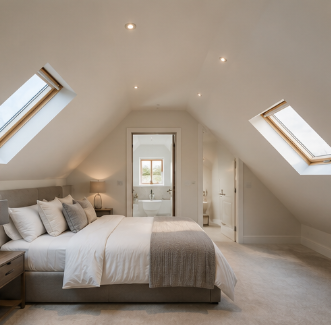
When a Loft Conversion Makes More Sense
A loft conversion is often the better investment when:
- Your home already has a relatively small number of bedrooms
- You need an additional bedroom or master suite
- Your ground floor layout already works reasonably well
- You want to maximise value while keeping build costs more controlled
- You want to avoid sacrificing garden space
In areas across Essex where family homes command higher values based on bedroom count, adding an extra bedroom and ensuite can significantly improve resale appeal.
For example, transforming a three-bedroom property into a four-bedroom home in Chelmsford can often produce a substantial uplift in value compared to the construction cost.
Loft conversions also tend to involve:
- Less disruption to the main living areas
- Faster build programmes
- Lower foundation and drainage costs
- Reduced impact on outdoor space
However, not every loft is suitable.
Factors such as roof height, structure, staircase positioning, planning constraints, and dormer design all influence feasibility.
When a Rear Extension Adds More Value
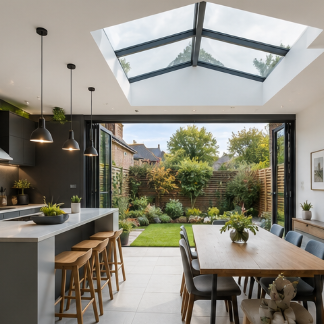
Rear extensions are often more transformative from a lifestyle perspective.
Many Essex homes, particularly older semi-detached properties, suffer from smaller kitchens and disconnected ground floor layouts that no longer suit modern family living.
A rear extension allows homeowners to create:
- Open-plan kitchen dining spaces
- Larger family areas
- Better garden connections
- Utility rooms
- Ground floor WC facilities
- Spaces better suited to entertaining and family life
In reality, these are often the spaces buyers emotionally connect with most.
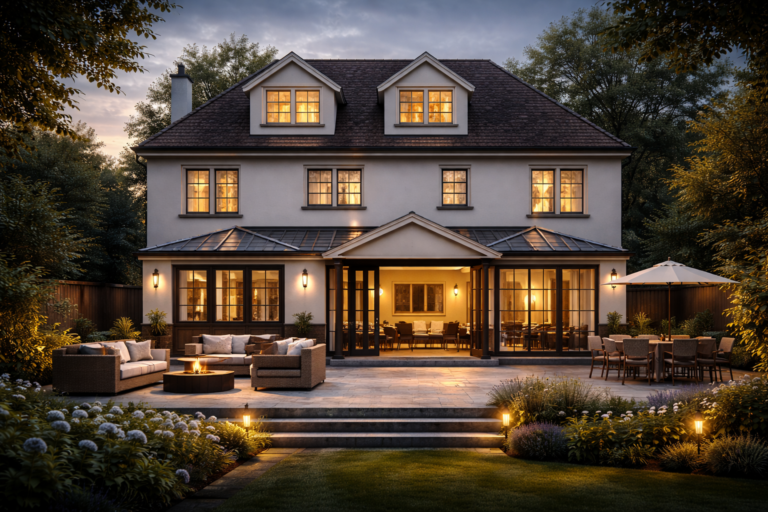
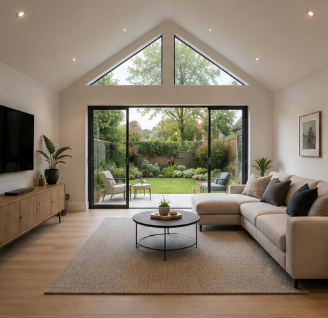
A beautifully designed kitchen extension with large glazing, rooflights, and improved natural light can completely change how a property feels.
This is why rear extensions are particularly popular in areas such as Brentwood, Billericay, Ingatestone and Chelmsford, where homeowners are investing heavily in long-term family homes rather than purely short-term resale value.
Which Is More Cost Effective?
As a very general guide:
| Project Type | Typical Essex Build Cost |
|---|---|
| Loft Conversion | £50,000 – £90,000+ |
| Rear Extension | £70,000 – £180,000+ |
Rear extensions often become more expensive due to:
- Foundations
- Drainage diversions
- Structural steelwork
- Larger glazing systems
- Kitchens
- Landscaping
- Bi-fold or sliding doors
Loft conversions can still become complex, particularly where roof structures require significant alteration, but they are often more cost-efficient in terms of value added per square metre.
Planning Permission Considerations
One of the biggest misconceptions is that all loft conversions or rear extensions require full planning permission.
In reality, many projects across Essex fall under Permitted Development rights, subject to certain limitations and conditions.
However, this depends on factors such as:
- Property type
- Previous extensions
- Conservation areas
- Roof alterations
- Overall size
- Design impact
For example:
- Many rear dormer loft conversions can proceed under Permitted Development
- Many single-storey rear extensions can also fall within Permitted Development limits
That said, careful design is still essential.
Poorly designed extensions or loft conversions can negatively impact both appearance and resale value.
Which Option Is Less Disruptive?
Generally:
- Loft conversions are less disruptive internally during early stages
- Rear extensions can create more temporary disruption to kitchens and living areas
However, rear extensions may feel easier for some homeowners because the majority of work initially happens externally.
A loft conversion often requires:
- New staircases
- Structural alterations
- Roof works
- Internal ceiling openings
Both project types require careful planning and coordination to minimise disruption during construction.
The Most Valuable Solution May Be Combining Both
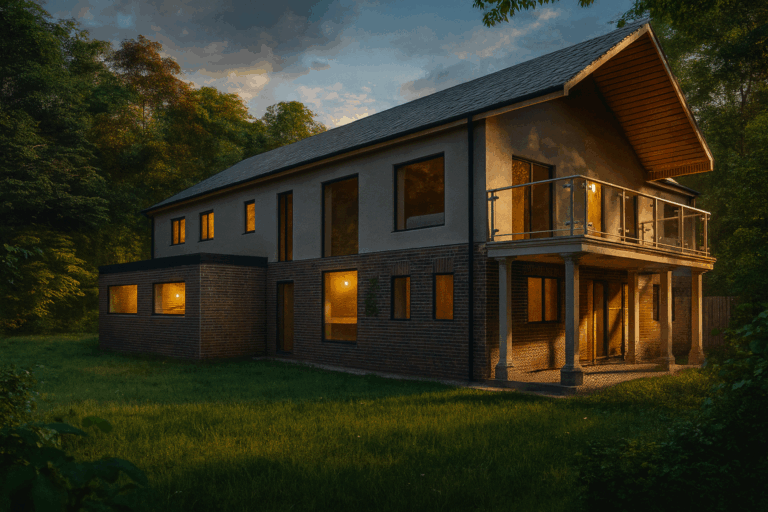
Interestingly, the highest value increase is often achieved when homeowners combine a rear extension with a loft conversion as part of a wider renovation strategy.
This can completely transform both:
- Ground floor family living
- Bedroom accommodation upstairs
Many of the most successful long-term family homes we see across Essex follow this approach.
Rather than moving house, homeowners effectively reconfigure and upscale the property they already own.
So, Which Should You Choose?
Choose a loft conversion if:
- You primarily need more bedrooms
- Your downstairs layout already functions well
- You want a more cost-efficient value increase
- You want to preserve garden space
Choose a rear extension if:
- Your kitchen and living layout feel outdated
- You want open-plan family living
- You entertain frequently
- You are prioritising lifestyle improvement
The right answer ultimately depends on your property, your budget, and your long-term plans.
Final Thoughts
The best projects are rarely about simply adding square footage.
They are about improving how a home feels, functions, and supports day-to-day life.
At Connor Ferris Architects, we work with homeowners across Chelmsford and Essex to explore the most effective way to unlock value within their homes through carefully considered residential design.
Whether you are considering a loft conversion, rear extension, or a wider renovation strategy, we would be happy to discuss your project and advise on the best route forward for your property.
Considering a Project in Essex?
Connor Ferris Architects is a RIBA Chartered Practice specialising in residential architecture across Essex, including Chelmsford, Brentwood, Billericay, Wickford and surrounding areas.